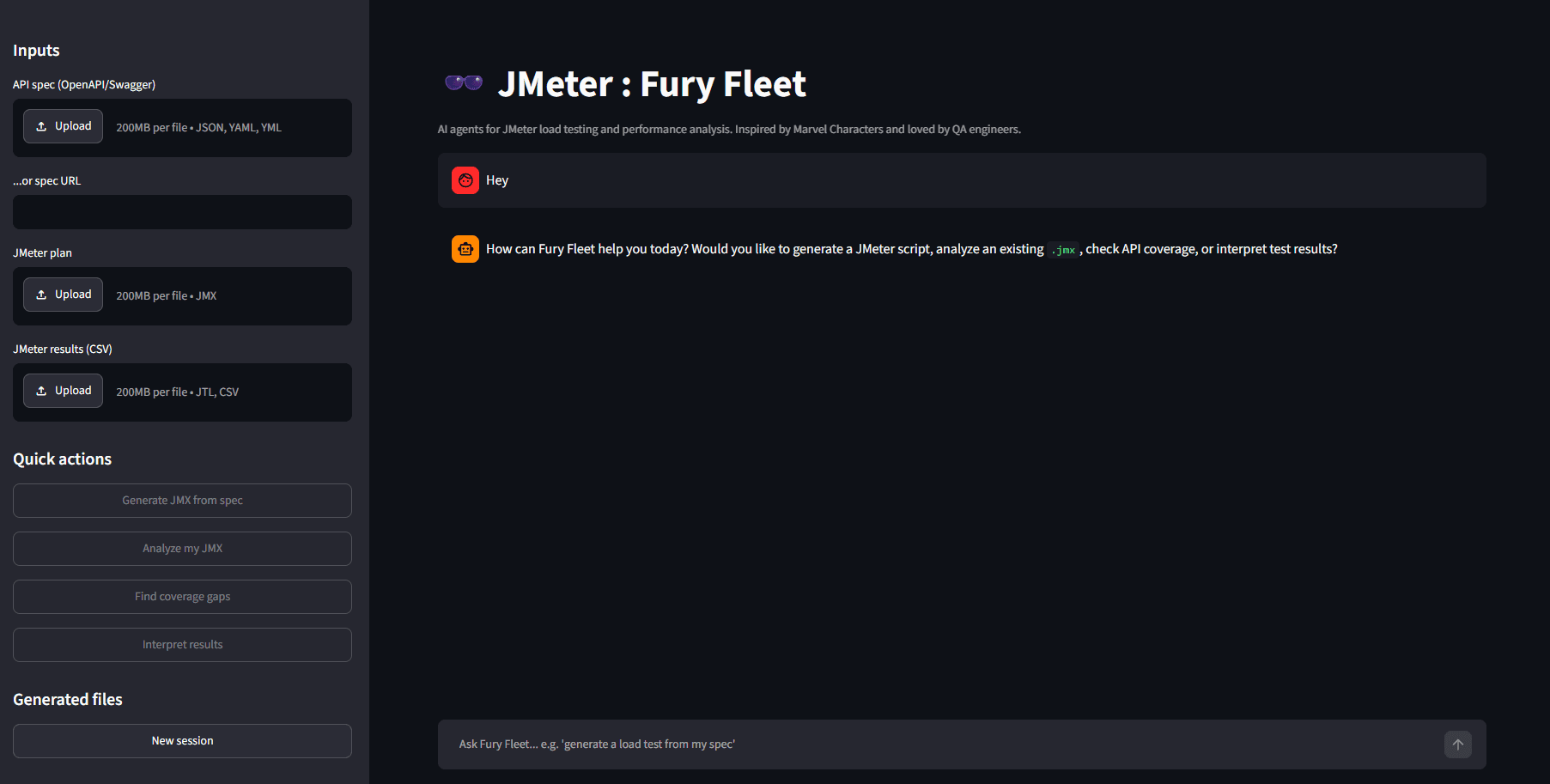
AI & LLMs·Oct 12, 2026· 9 minJMeter Fury Fleet: AI Agents for Smarter Load TestingFury Fleet is an AI-powered suite that streamlines JMeter performance testing by automating test plan generation, analysis, and coverage checks. Built with Python, Google ADK, and Streamlit, it leverages deterministic tools for data and AI agents for insights, making performance testing more accessible and actionable.#jmeter#ai agents 1 0
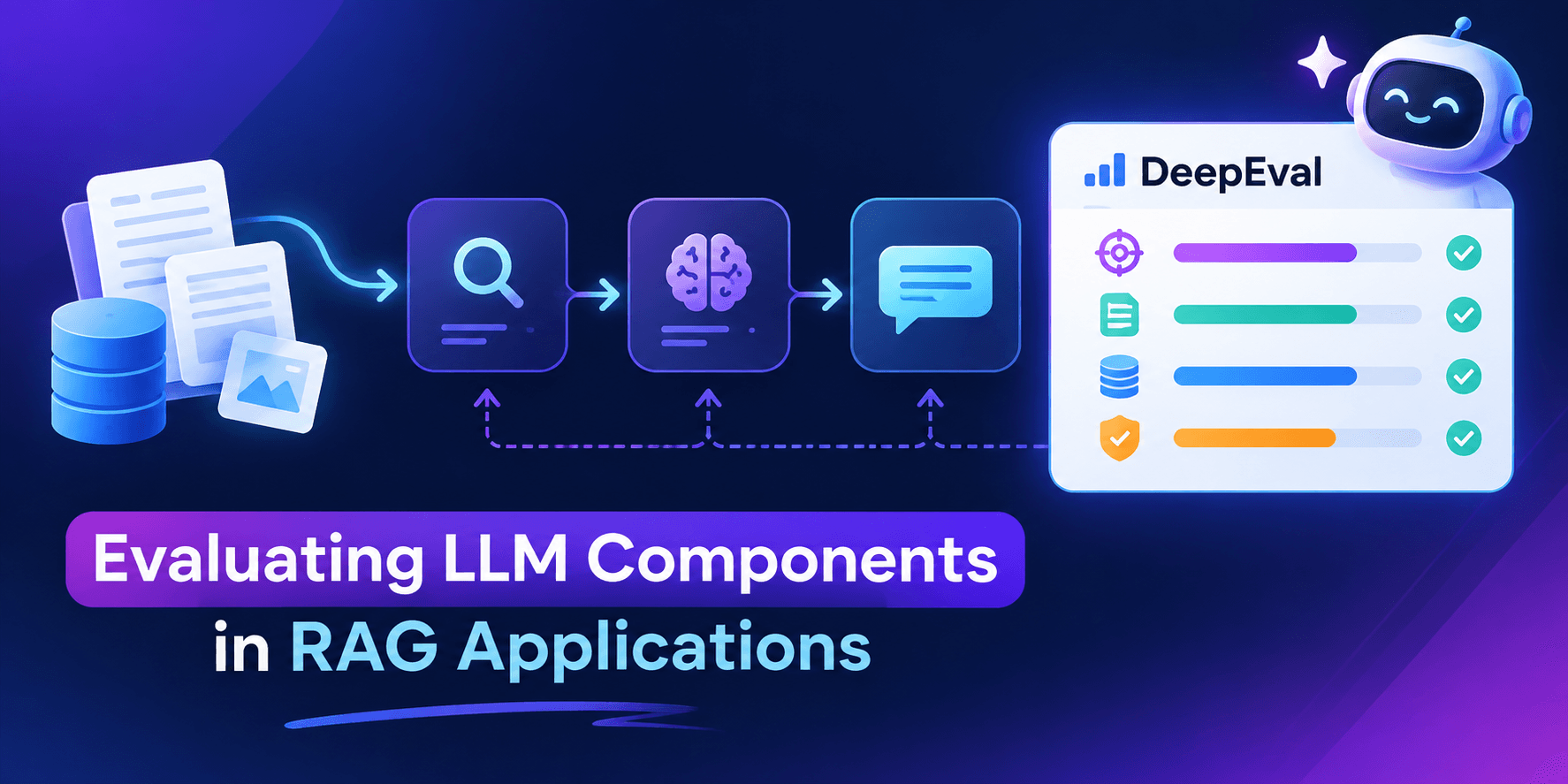
AI & LLMs·Sep 28, 2026· 19 minEvaluating LLM Components in RAG Applications with DeepEvalThis post demonstrates how to use DeepEval to systematically evaluate different components of a Retrieval-Augmented Generation (RAG) application, including retrievers, generators, and the full pipeline. It covers preparing golden datasets, applying relevant metrics like recall, precision, and faithfulness, and leveraging G-Eval for holistic application assessment.#rag#llm evaluation 1 0
AI & LLMs·Sep 6, 2026· 4 minGetting Started with Google Gemini: A Practical Guide for DevelopersThis guide walks through setting up a new Google Cloud project for Gemini, authenticating with ADC, configuring environment variables, and using the Gemini API for chat, structured output, and image analysis. It includes code examples and practical explanations of key configuration options like temperature and response schemas.#google cloud#gemini 1 0
AI & LLMs·Aug 16, 2026· 3 minAI Agents: Navigating Security RisksThis post explores the evolving security risks posed by increasingly capable AI agents, drawing on real-world incidents and offering concrete strategies for mitigation. Developers will learn how to set boundaries, monitor agent activity, and apply least-privilege principles to ensure safe deployment.#ai agents#security 0 0
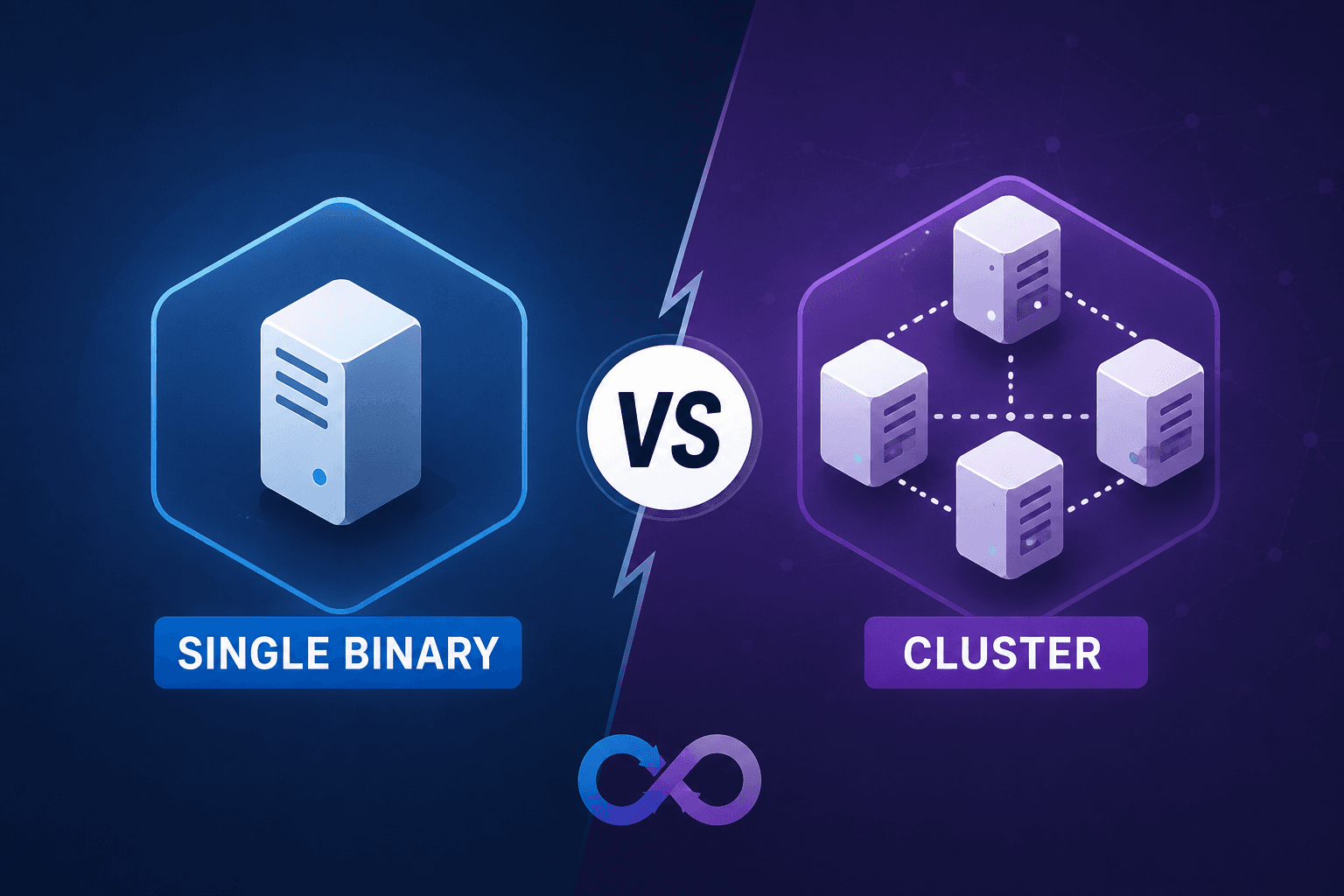
DevOps·Aug 10, 2026· 5 minChoosing Between Single Binary and Cluster Architectures in DevOpsThis post compares single binary and cluster architectures in DevOps, highlighting their respective benefits, limitations, and ideal use cases. It provides practical guidance on how to choose the right architecture based on deployment speed, scalability, fault tolerance, resource efficiency, and operational complexity.#devops#architecture 1 0
Web Dev·Aug 7, 2026· 4 minTypeScript 7: Embracing Native Features for Better PerformanceTypeScript 7 introduces a Go-based native compiler, bringing significant performance improvements through multithreading and reduced memory usage. This post explores how these changes impact build times, developer workflows, and CI/CD pipelines, while also outlining potential challenges and tips for a smooth migration.#typescript 7#go compiler 1 0
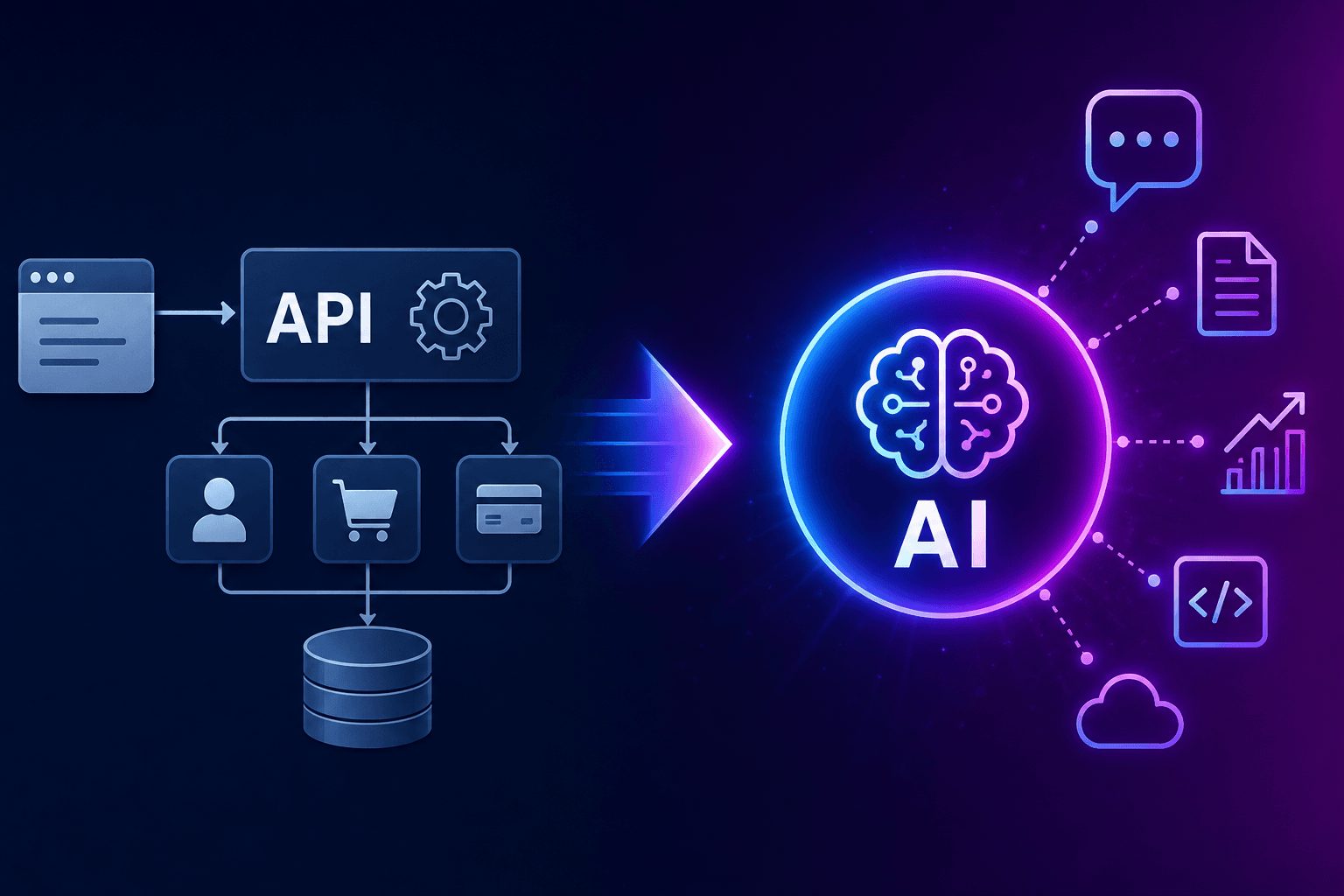
Web Dev·Aug 6, 2026· 5 minHow AI Endpoints are Transforming Traditional API ArchitectureThis post explores how AI endpoints differ from traditional API endpoints, highlighting their unique architectural challenges, security considerations, and real-world applications. It provides actionable advice for integrating AI endpoints, discussing trade-offs in complexity, cost, and reliability.#api architecture#ai endpoints 1 0
AI & LLMs·Aug 5, 2026· 6 minSlopsquatting: How AI Hallucinations Open the Door to Supply Chain AttacksThis post explains how attackers exploit AI-generated package name hallucinations to launch supply chain attacks, a technique called slopsquatting. It details how this threat differs from typosquatting, why AI assistants increase risk, and practical steps developers and teams can take to defend against these new attacks.#supply chain security#ai coding assistants 2 0
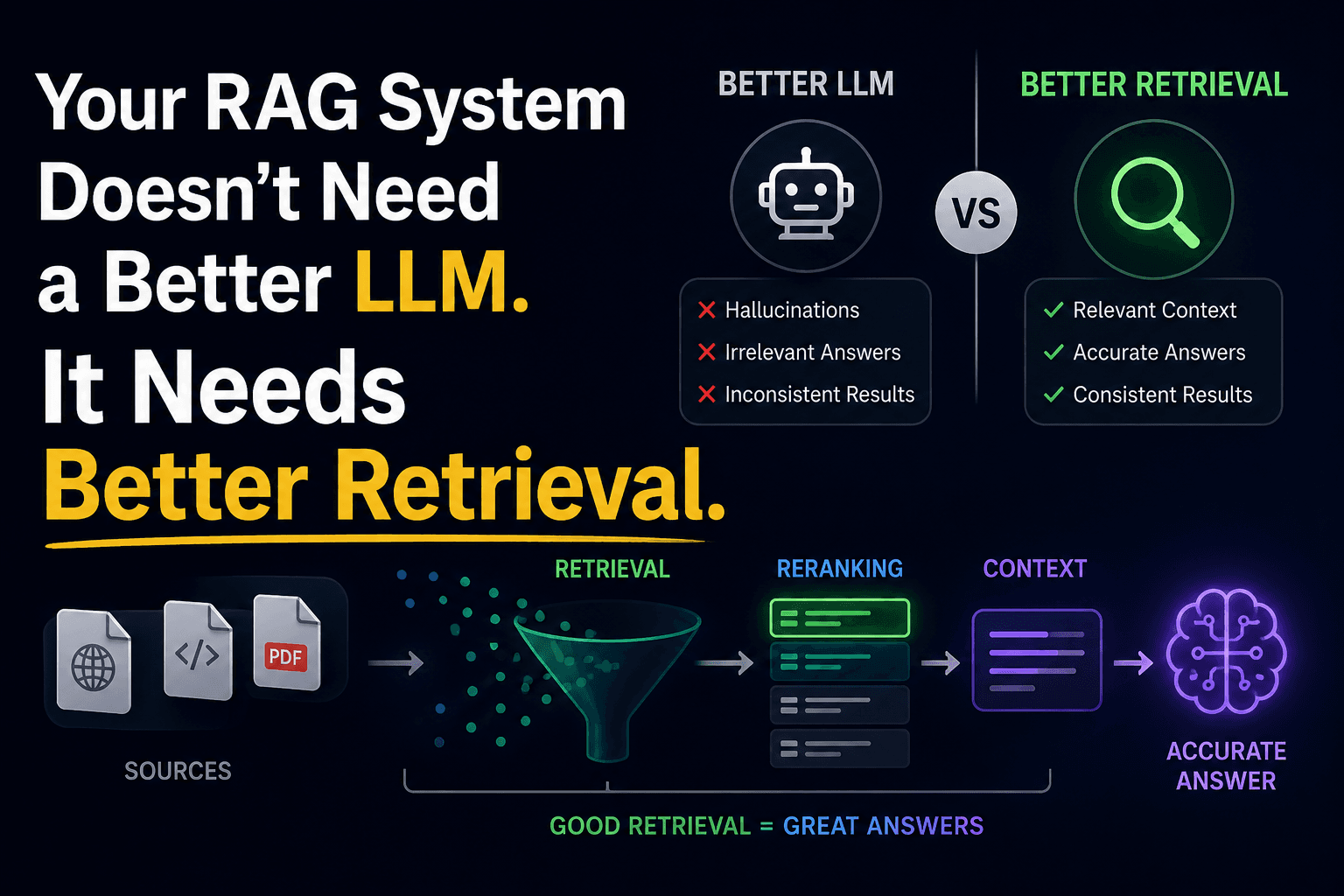
AI & LLMs·Aug 4, 2026· 7 minWhy Your RAG System Doesn't Need a Better LLM—It Needs Better RetrievalUpgrading your LLM won't fix a Retrieval-Augmented Generation (RAG) system if the retrieval pipeline is flawed. This post breaks down common retrieval pitfalls—like poor chunking, missing metadata, and weak reranking—and offers practical tips to boost answer quality without chasing bigger models.#rag#retrieval 3 0
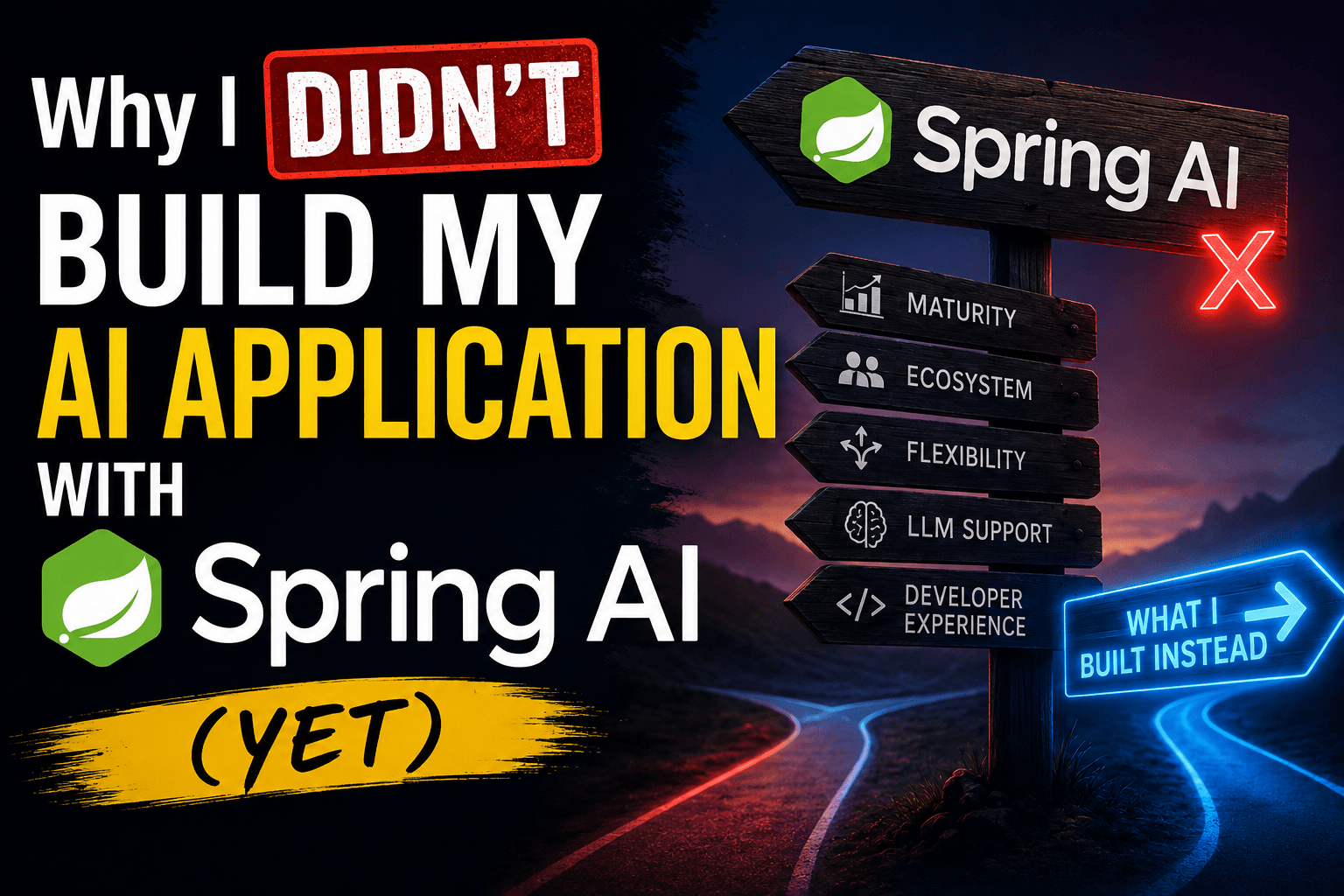
AI & LLMs·Aug 2, 2026· 4 minWhy I Didn't Build My AI Application with Spring AI (Yet)Spring AI is evolving rapidly, but today's AI ecosystem is still far more mature in Python, with richer frameworks, documentation, and community support. This article explains why I chose to learn the underlying AI concepts the long way instead of relying on higher-level abstractions—and how that decision made me a better AI engineer.#spring ai#python 5 0
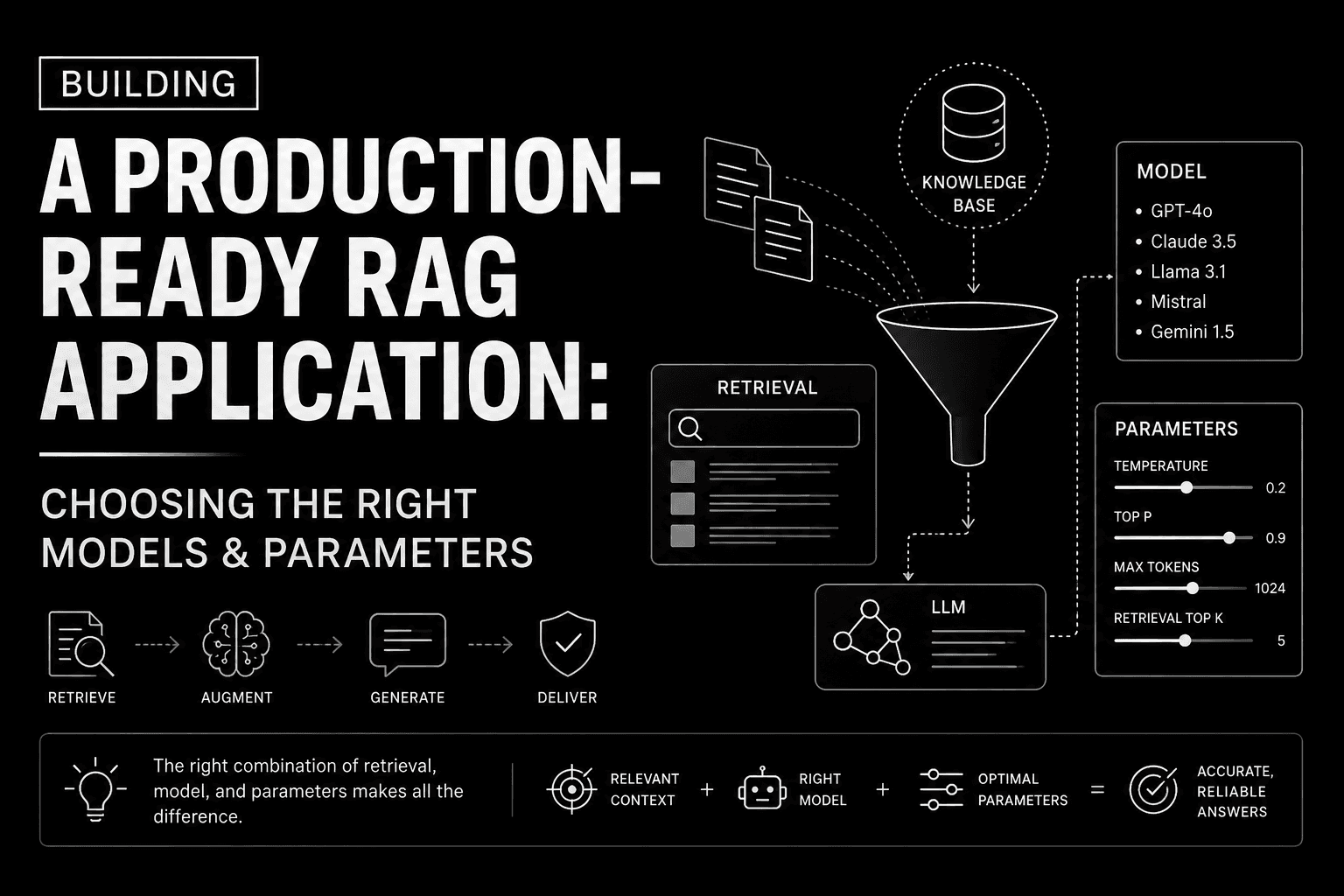
AI & LLMs·Aug 1, 2026· 4 minBuilding a Production-Ready RAG Application: Choosing the Right Models & ParametersLearn how to build a simple yet effective Retrieval-Augmented Generation (RAG) application by selecting the right embedding model, vector database, retriever settings, and LLM parameters. This guide focuses on practical defaults and the reasoning behind them, helping you avoid common pitfalls from the start.#rag#langchain 4 0
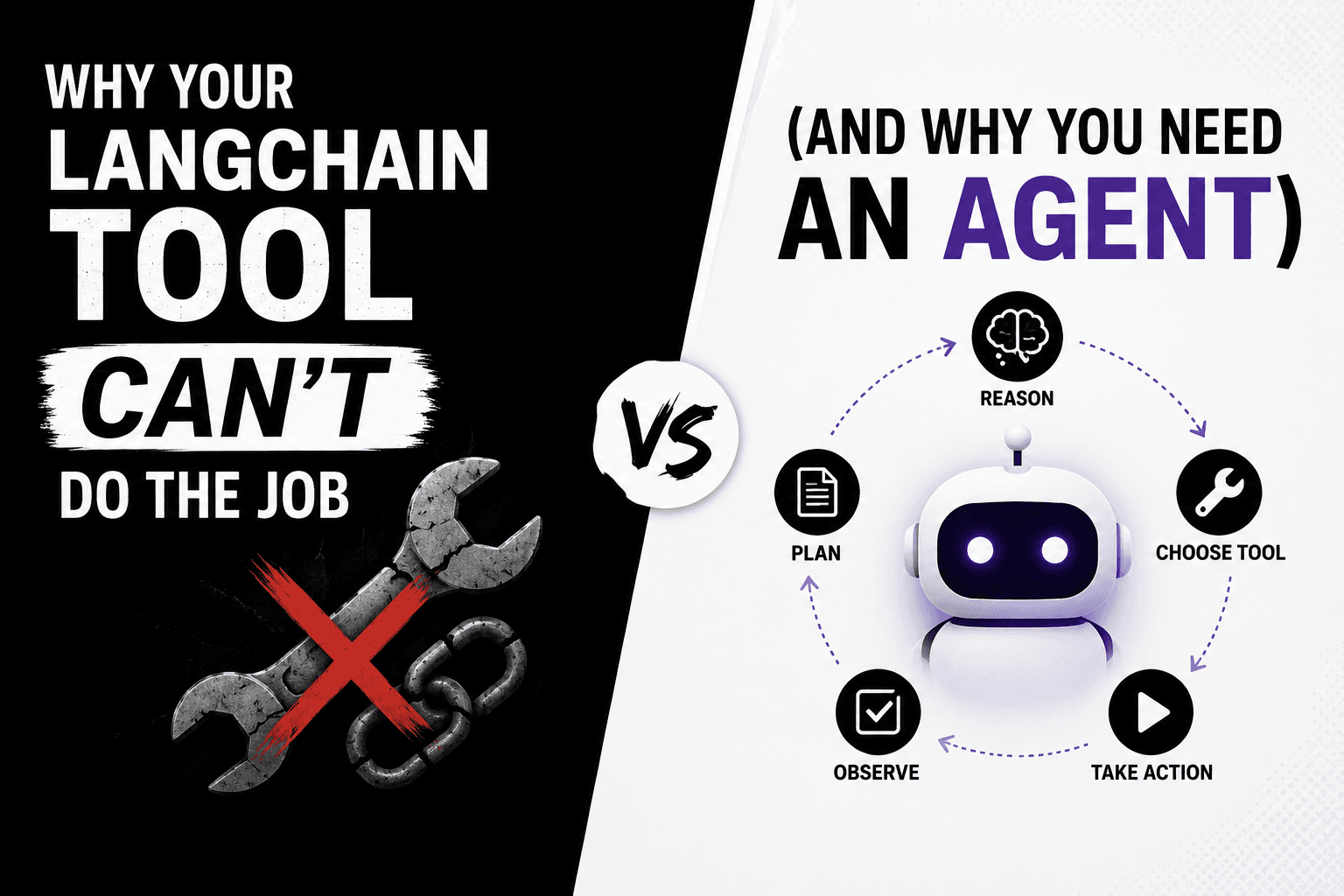
AI & LLMs·Aug 1, 2026· 5 minWhy Your LangChain Tool Can't Do the Job (And Why You Need an Agent)This post clarifies the crucial difference between LangChain Tools and Agents, explaining why tools alone can't handle complex, multi-step tasks. It uses analogies and practical examples to show when you need an Agent to orchestrate workflows and decision-making in AI applications.#langchain#agents 2 0